전시 소개 ABOUT THE EXHIBITION
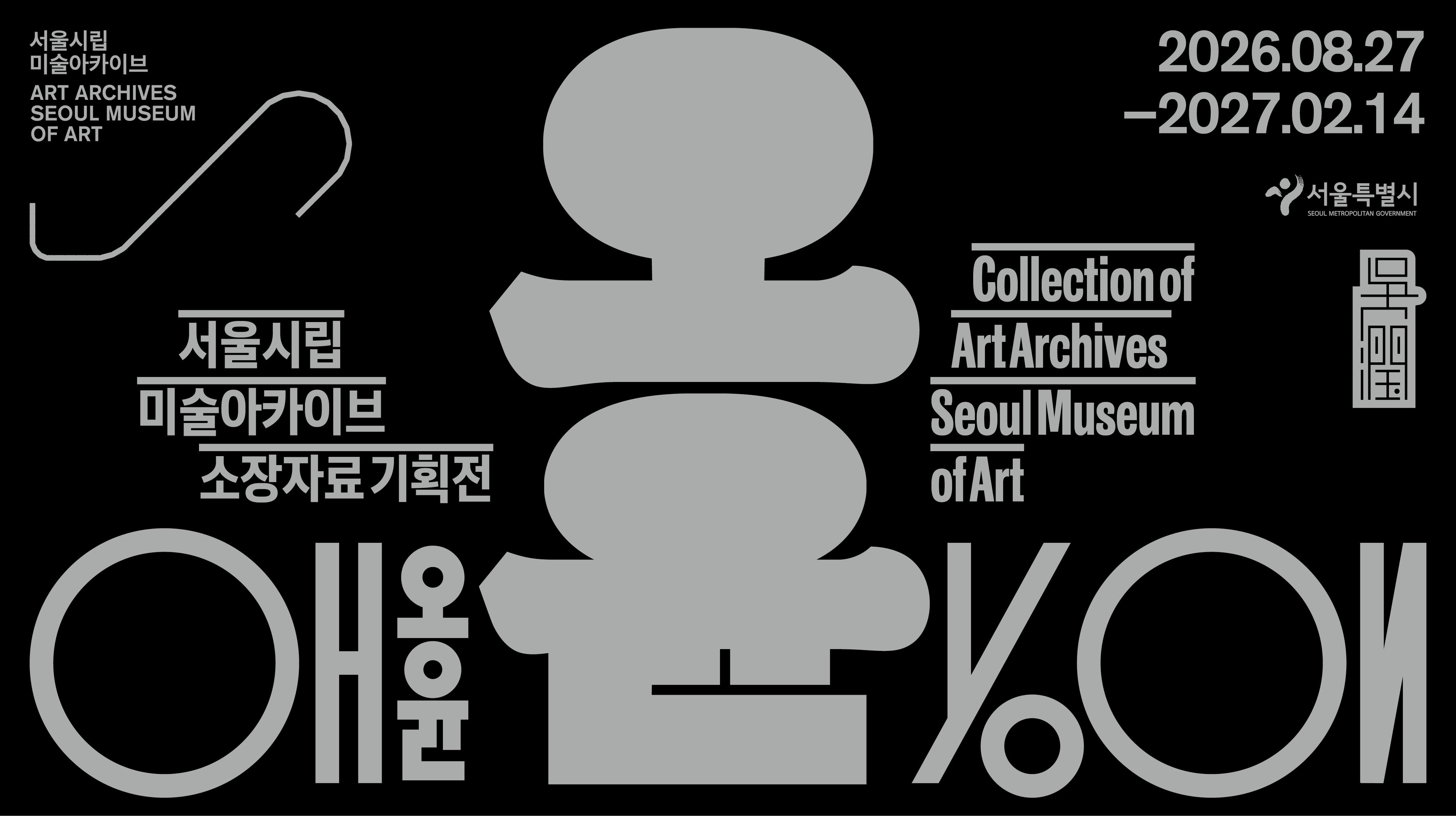
《오윤》은 1980년대 민중미술을 대표하는 작가 오윤(1946–1986)의 작고 40주기를 맞아 마련한 전시로, 서울시립 미술아카이브가 수집한 오윤 컬렉션을 중심으로 그의 독창적인 작품 세계와 창작 과정을 재조명한다. 한국 근현대사의 격동과 전통문화·연희, 동학을 비롯한 전통사상, 민중시 등 당대 문학과의 관계 속에서 작품에 담긴 다층적인 서사를 읽어내는 한편, 판화 원판에 남은 판각의 흔적을 통해 오윤 판화의 조형성을 새롭게 조망한다. 이를 통해 민중의 삶을 보듬고 위로하며 미술의 역할을 고민한 오윤의 예술관을 되짚어 보고자 한다.
오윤은 1946년 부산에서 태어나 서울대 조소과를 졸업했다. 대학 재학 중인 1969년 ‘현실동인’을 결성하며 일찍이 현실과 미술의 관계를 고민했고, 1970년대에는 전돌 작업과 더불어 민중의 삶을 바탕으로 한 목판화 중심의 독자적인 조형 언어를 구축했으며, 문학계‧출판계와 교류하며 여러 출판물의 표지화와 삽화를 제작했다. 1979년 ‘현실과 발언’ 창립에 참여한 이후 현실을 비판적으로 바라보는 시각과 미술에 대한 생각을 작품과 글로 드러냈다. 1980년대 중반 민족의 한과 신명을 역동적으로 풀어내며 예술적 절정기를 맞이했으나, 1986년 그림마당 민에서 첫 개인전을 연 뒤 마흔의 젊은 나이로 세상을 떠났다.
전시는 오윤이 남긴 아카이브를 따라 작품을 다시 바라보는 연대기적 흐름으로 구성되며, 그의 노트와 메모에서 발췌한 제목을 붙인 여섯 개의 장으로 이루어진다. ‘1. 개도치 오윤’에서는 대학 재학 시절의 작업 모색기를 다루고, ‘2. 땅에 넋이 있지라’는 한국 근현대사의 상처와 민중의 삶을 감싸안는 오윤의 민중미학을 살핀다. ‘3. 관자재보살행심반야바라밀다시’는 주변 이웃과 우리의 삶에 대해 기록하는 오윤의 수행적인 작업 태도를 조명하고, ‘4. 응당 무엇을 표현하는가’에서는 ‘현실과 발언’ 활동을 중심으로 그가 작품과 글을 통해 밝힌 미술을 향한 비판적 문제의식에 주목한다. ‘5. 나가 포함된 집단적 흥’은 신명으로 거듭난 작업의 절정기를 다루며, 마지막 장 ‘6. 나두야 간다’는 열다섯 살 오윤의 여행일지를 시작으로 그의 삶의 궤적과 창작의 여정을 되짚는다. 이번 전시를 통해 판화 원판과 습작, 드로잉, 노트, 창작 도구 등 그의 자료를 새롭게 정리해 공개함으로써, 오윤의 예술 세계를 입체적으로 살피고 향후 연구와 해석의 가능성을 넓히는 계기가 되기를 바란다.
The exhibition Oh Yoon commemorates the 40th anniversary of the passing of artist Oh Yoon (1946–1986), a quintessential figure of Korean Minjung Art in the 1980s. Centered around the Oh Yoon Collection at the Art Archives Seoul Museum of Art (AA SeMA), this exhibition reexamines his unique artistic world and creative process. It articulates the multi-layered narrative embedded in his work within the context of turbulent modern and contemporary Korean history, traditional culture and performance, native philosophies including Donghak, and literature such as minjung poetry (the people’s poetry). The exhibition also sheds new light on the figurative aspects of Oh's prints through the physical traces of carving on his original printmaking blocks. Taken together, Oh Yoon explores the creative vision of the artist who embraced the everyday lives of minjung and pondered the role of art.
Born in Busan in 1946, Oh graduated from Seoul National University with a degree in sculpture. From early on, he contemplated the relationship between reality and art, forming Reality Group in college in 1969. In the 1970s, he established a distinctive visual language rooted in traditional brickmaking and woodcuts based on the lives of minjung. During this time, he also collaborated with the literary and publishing communities, making various cover art and illustrations. After helping found Reality and Utterance in 1979, Oh revealed his critical views on reality and thoughts on art through his works and writings. The mid-1980s marked his artistic peak, as he gave dynamic form to the han (sorrow) and shinmyeong (spiritual exuberance) of the minjok (Korean people). Shortly after his first solo exhibition at Geurimmadang Min (a historic art space in Seoul), Oh passed away at the young age of forty in 1986.
The exhibition traces Oh’s works and archives in chronological order and is divided into six sections, with each title taken from his notes. Section 1, “Gaedochi Oh Yoon,” covers his exploratory years in college. Section 2, “There Are Souls in the Land,” examines the minjung aesthetics of Oh, who embraced the wounds of modern and contemporary Korean history and the lives of minjung. Section 3, “Gwanjajaebosalhaengsimbanyabaramildasi,” highlights his performative practice, documenting the lives of his neighbors and ordinary people around him. Section 4, “What Ought We to Express” centers around his time with Reality and Utterance, revealing his critical perspective on art through his artworks and writings. Section 5, “Collective Exhilaration Including the I,” presents the rebirth of his work through shinmyeong, which marked the peak of his artistic career. The final section, “I, Too, Am Leaving,” starts with a travel diary he wrote at age fifteen, tracing his life as a journey of creation. Altogether, the newly compiled and presented materials include original printmaking blocks, sketches, drawings, notes, and other creative tools. We hope to offer multiple perspectives on Oh's artistic world through this exhibition and broaden the possibilities for further research and interpretation.