전시 소개 ABOUT THE EXHIBITION
국립현대미술관(MMCA, 관장 김성희)은 일본 요코하마미술관(YMA, 관장 구라야 미카)과 공동주최로 《로드 무비: 1945년 이후 한·일 미술》을 5월 14일(목)부터 9월 27일(일)까지 국립현대미술관 과천에서 개최한다.
《로드 무비: 1945년 이후 한·일 미술》은 한·일 국교 정상화 60주년을 기념해 1945년부터 현재까지 80년간 이어온 양국 미술 교류의 여정을 되짚어 본다. 로드 무비는 길 위의 이동을 통해 주인공이 예상치 못한 인물과 사건을 만나고, 그 과정에서 변화에 이르는 영화 장르이다. 한·일 양국 예술가들도 각기 다른 정치·사회적 조건과 역사적 상황 속에서 국경을 넘나들며 로드 무비와도 같은 다층적인 교류를 이어왔다.
전시는 5개의 섹션으로 구성되며 양국의 미술가 43명(팀)의 작품 200여 점을 소개한다. 1945년 광복과 일본의 패전, 그 이후의 냉전 질서와 남·북한의 분단, 한·일 국교정상화를 비롯해 오늘날에 이르기까지 격동의 시대를 거치는 동안 한·일 양국 예술가들이 어떻게 교류하고 영향을 주고받으며 전진했는지를 조망한다. 양국 예술가들의 공식적인 전시를 통한 교류뿐 아니라, 개인적인 네트워크와 비공식적인 접촉, 연대의 움직임 등 다양한 교류의 모습을 담아내며 한·일 교류를 새롭게 바라보는 것에서 나아가 앞으로의 길을 함께 그려가는 기회를 제공하고자 한다.
자료 출처: 국립현대미술관
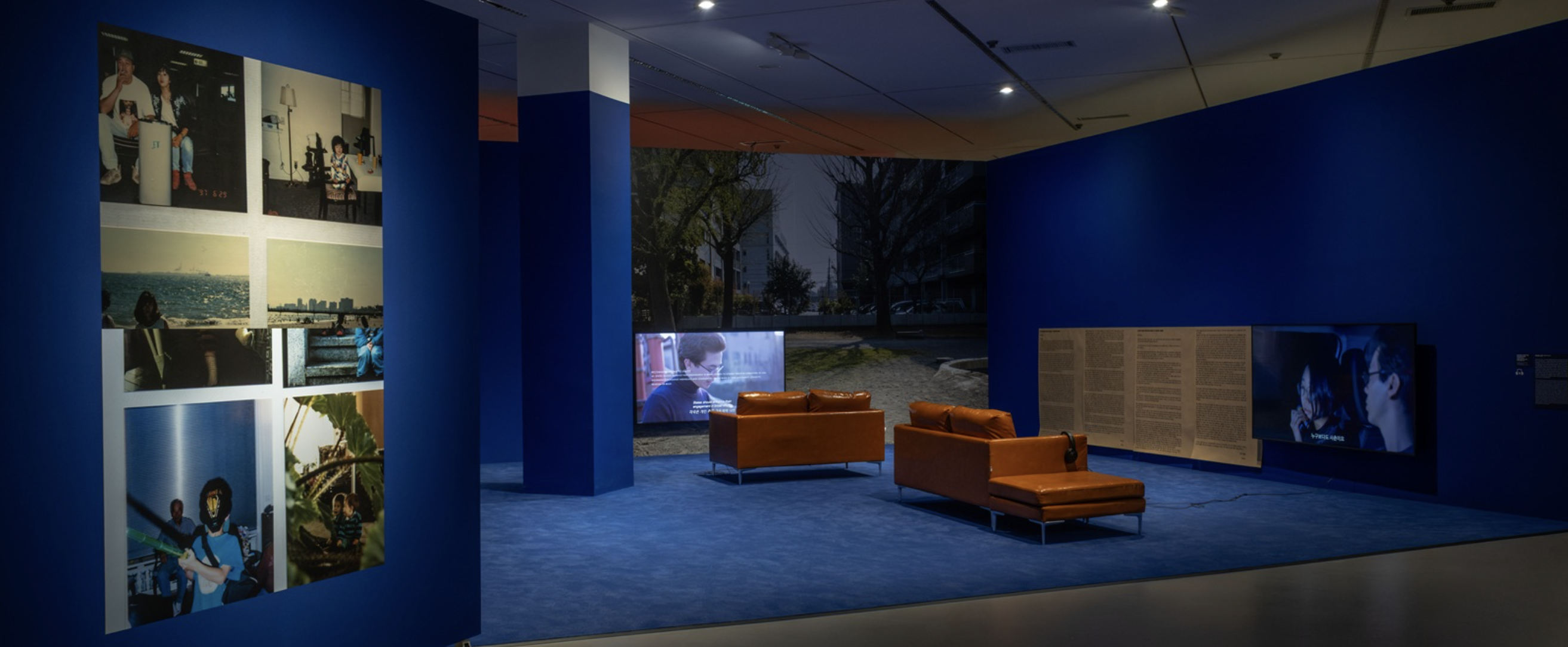
전시전경: 국립현대미술관
The National Museum of Modern and Contemporary Art, Korea (MMCA; Director Kim Sunghee), in collaboration with the Yokohama Museum of Art (YMA; Director Kuraya Mika), presents Art Between Korea and Japan Since 1945 from Thursday, 14 May to Sunday, 27 September 2026 at MMCA Gwacheon.
Art Between Korea and Japan Since 1945 commemorates the 60th anniversary of the normalization of diplomatic relations between Korea and Japan by retracing the 80-year journey of artistic exchange between the two countries from 1945 to the present. The term “road movie” in the Korean title of the exhibition refers to a film genre in which the protagonist encounters unexpected people and events while traveling, ultimately undergoing transformation in the process. In a similar way, artists from Korea and Japan have sustained multilayered exchanges across national borders, much like a road movie, amidst diverse political, social, and historical circumstances.
The exhibition is organized into five sections and presents approximately 200 works by 43 artists (both individuals and teams) from both countries. It examines the ways in which artists from Korea and Japan have exchanged ideas, influenced one another, and moved forward through a turbulent era—from Korea’s liberation and Japan’s defeat in 1945, through the ensuing Cold War world order and the division of the Korean Peninsula into North and South, to the normalization of diplomatic relations between South Korea and Japan, and finally into the present day. Beyond highlighting formal exchanges through official exhibitions, this exhibition also captures diverse forms of interaction, including personal networks, informal contacts, and movements of solidarity. In doing so, it seeks both to offer a new perspective on Korea–Japan artistic exchange as well as to provide an opportunity to envision a shared path forward.
Press Release: MMCA
Installation View: MMCA