전시 소개 ABOUT THE EXHIBITION
관람료: 2,000원
개념미술은 작품의 외형이나 물질적 결과보다 작가의 아이디어나 개념을 중시하는 미술로 알려져 있다. 1960년대 중반, 시각성 중심의 모더니즘 미술에서 배제되었던 ‘말’을 다시 호출한 개념미술은 ‘미술이란 무엇인가’라는 근본적 물음을 제기하며, 언어적 사고와 철학적 사유를 촉발하는 미술로 이해되었다.
«이것은 개념미술이 (아니)다»는 미술의 중심이 시각(눈)에 의해 인식되는 대상에서 언어와 사고의 차원으로 이행했던 한국현대미술의 개념적 전환을 조명해보는 전시이다. 한국미술현장에서 개념미술은 1960년대 말 실험미술의 맥락 속에서 언급되기 시작하였으며, 1970-80년대에는 언어·논리적 실험을 통해 미술의 본질과 존재를 묻는 지적 작업이 전개되었다. 이후 1990년 전후에는 ‘언어와 개념을 통한 사고’와 ‘재료 및 형태’를 함께 다루는 방식으로, 현실을 새롭게 사유하기 위한 방법론이자 태도로서 개념적 미술 혹은 개념주의가 언급되었다. 이러한 변화는 개념미술이 북미와 서유럽 중심에서 벗어나 라틴아메리카, 동유럽, 아시아 등 각 지역의 사회·정치·경제적 맥락 속에서 작동하는 ‘전 지구적 개념주의’로 확장된 흐름과도 일정부분 그 맥을 함께한다. 한편으로 이번 전시는 개념적 미술의 국제적인 다변화 속에서, 한국 개념미술의 동시대성을 살피는 자리이기도 하다.
한국현대미술의 흐름 속에서 ‘개념미술’, ‘개념적 미술’, ‘개념주의’와 같은 다양한 용어들이 혼용되어 사용되었듯이, 이번 전시는 ‘이것은 개념미술이 (아니)다’라는 제목이 시사하는 것처럼 개념미술을 하나의 고정된 범주로 묶기보다 작품마다 펼쳐지는 다양한 의미와 해석의 층위를 열어두고자 한다. 이러한 문제의식 속에서 이번 전시는 ‘언어·논리·행위’, ‘사물과 언어’, ‘지도와 측정’, ‘기호의 조정자들’이라는 네 개의 장을 경유하며 개념미술을 탈물질화의 역사로 환원하지 않고 한국의 시대 상황들과 연관해 인간과 세계를 새롭게 사유하려는 복합적인 시도들로서 다시 읽어보고자 한다. 오늘날 개념미술을 다시 살펴보는 일이 의미를 갖는다면, 그것은 자본과 시장, 시각 이미지의 범람 속에서 오히려 미술의 본질을 다시 질문하고, 세계를 다른 방식으로 인식하고 사유할 가능성을 열어주기 때문일 것이다.
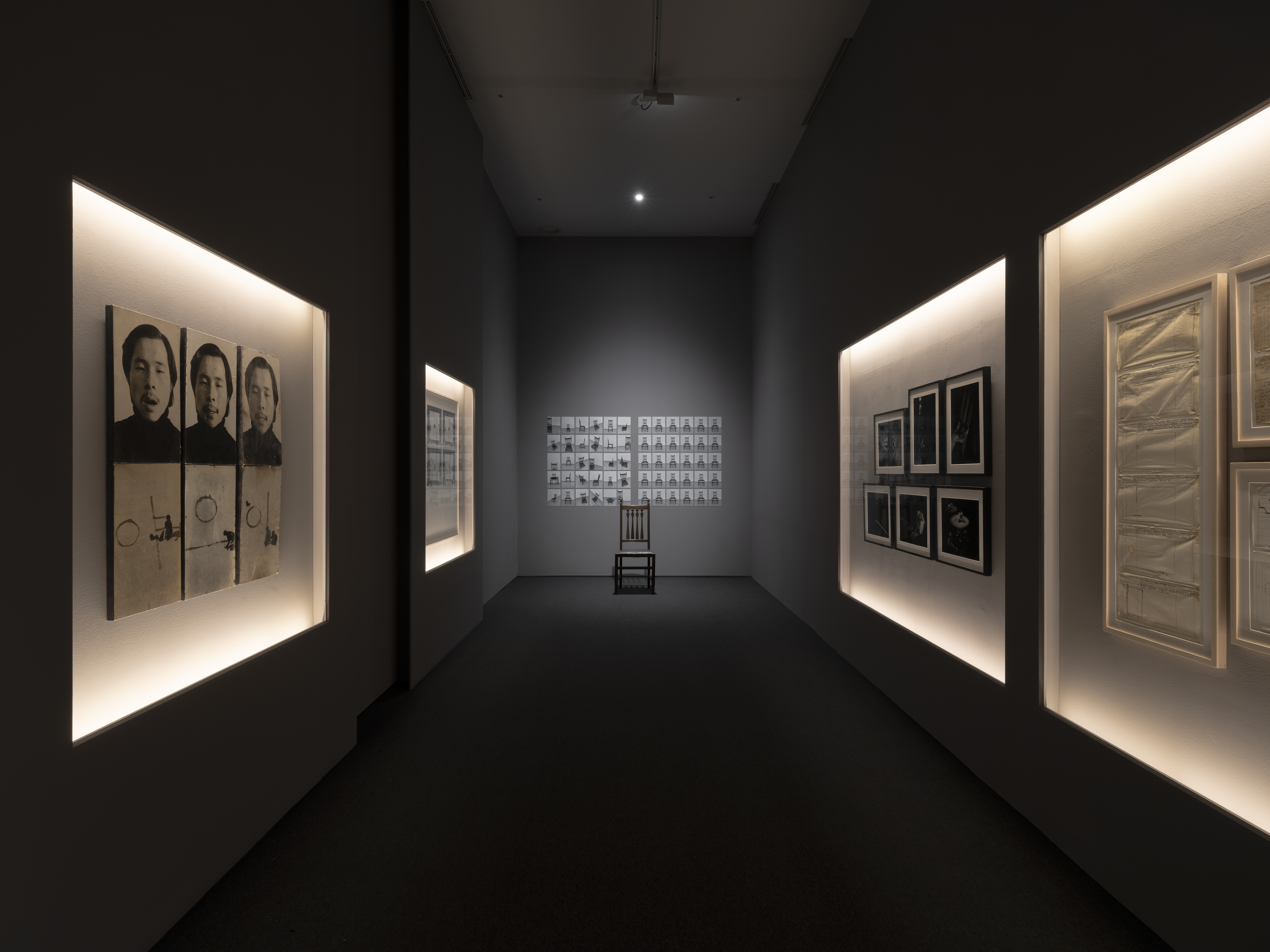
전시 전경: 국립현대미술관
Admission: 2,000 KRW
“Conceptual art” is generally understood as art that emphasizes the artist’s ideas or concepts over the outward appearance or material form of an artwork. In the mid-1960s, conceptual art reintroduced the element of language, which had largely been excluded from the opticality of modernist painting. It came to be recognized as a form of art that posed fundamental questions about the nature of “art” itself while encouraging linguistic thought and philosophical speculation.
This is (Not) Conceptual Art is an exhibition that explores the conceptual turn in Korean contemporary art, in which the focus of art shifted away from visually perceived objects toward language and thought. In Korea, conceptual art emerged within the context of experimental art in the late 1960s, while the 1970s and 1980s saw the development of intellectual practices that explored the essence and existence of art through linguistic and logical experiments. Around the 1990s, conceptual art or conceptualism was invoked as a methodology and attitude for rethinking reality through the simultaneous engagement of language, concepts, materiality, and form. This transformation coincided with the changing understanding of conceptual art, as its focus shifted beyond North America and western Europe toward a more “global conceptualism” operating within the social, political, and economic contexts of regions such as Latin America, Eastern Europe, and Asia. In this respect, the exhibition offers an opportunity to explore the contemporaneity of Korean conceptual art within a broader process of international diversification.
Indeed, a number of related terms surfaced within the currents of Korean contemporary art, including gaenyeom misul (conceptual art), gaenyeomjeok misul (conceptually oriented art), and gaenyeomjuui (conceptualism). As the title This is (Not) Conceptual Art suggests, the exhibition explores the possibility of interpreting conceptual art not as a single reductive category, but as a broader field encompassing multiple forms manifested across different works. In this context, the four sections of This is (Not) Conceptual Art—“Language, Logic, Performance,” “Objects and Language,” “Mapping and Measuring,” and “Manipulators of Signs”—interpret works of conceptual art not simply as a history of dematerialization, but as complex attempts to consider human beings and the world anew in relation to Korea’s historical contexts. Part of the significance of reexamining Korean conceptual art from today’s vantage point lies in its potential to help the viewers to perceive and contemplate the world differently while examining the essence of art within an era of overabundant capital, markets, and visuality.
Press Release: MMCA
Installation View: MMCA